
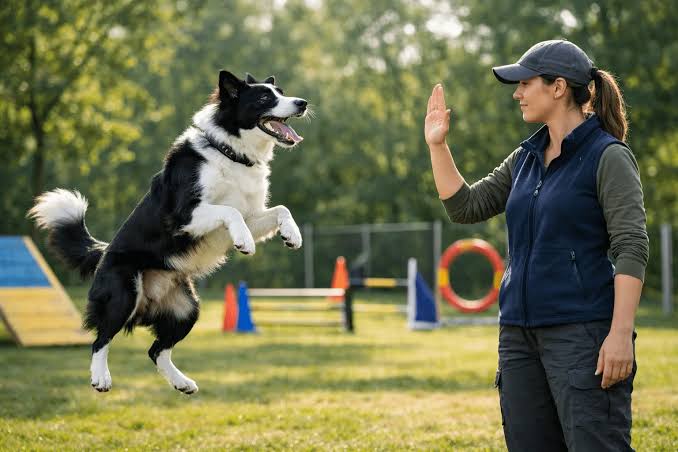
Dog Training for Excessive Excitement: A Practical Guide
Dogs naturally express excitement through barking, jumping, running, and enthusiastic greetings. However, when these reactions become difficult to manage, they can affect daily routines, interactions with visitors, and walks in public spaces. Dog training for excessive excitement helps dogs develop better impulse control, respond more consistently to commands, and remain calmer when faced with stimulating situations.
For dog owners working with Rob’s Dog Training, understanding why excitement occurs is an important first step toward improving behavior. Rather than simply trying to stop energetic reactions, effective training focuses on teaching dogs how to manage their responses and make more appropriate choices.
Understanding Why Dogs Become Overexcited
Excitement is a normal canine response to situations that dogs find interesting, rewarding, or stimulating. Seeing another dog, hearing the doorbell, meeting a familiar person, or anticipating a walk can trigger intense reactions.
Some dogs have difficulty controlling these responses because they have not yet developed reliable impulse control. Others may become overwhelmed when several exciting things happen at once.
Common signs of excessive excitement include:
- Jumping on people during greetings.
- Barking repeatedly when visitors arrive.
- Pulling strongly toward other dogs or interesting surroundings.
- Running around without responding to familiar commands.
- Struggling to settle after playtime or outdoor activities.
- Becoming overly enthusiastic when anticipating food, walks, or toys.
It is important to recognize that high energy and excessive excitement are not necessarily the same thing. An energetic dog may still respond to commands and settle when needed. An overexcited dog, however, may struggle to regulate its behavior even in familiar situations.
Understanding these differences helps owners identify which behaviors require attention and choose appropriate training methods.
How Dog Training for Excessive Excitement Improves Behavior
Training an overexcited dog involves more than teaching basic obedience commands. It requires consistent practice that helps the dog recognize different situations, manage impulses, and respond appropriately despite distractions.
The goal is not to eliminate excitement completely. Instead, dogs learn that calm behavior can also lead to positive experiences.
Several training techniques can support this process.
1. Teach Basic Impulse Control
Impulse control allows dogs to pause before reacting to something they want. This skill is particularly useful when greeting people, waiting for meals, or encountering distractions during walks.
Start with simple exercises that encourage patience.
For example, ask your dog to sit before placing its food bowl on the floor. If the dog immediately moves toward the bowl, calmly pause and try again. Reward the dog when it waits until given permission to eat.
Other useful exercises include:
- Waiting before going through an open doorway.
- Sitting before receiving a favorite toy.
- Pausing before approaching a familiar person.
- Maintaining a short stay while the owner takes a few steps away.
Keep these exercises brief and manageable. Gradually increase the difficulty as your dog becomes more consistent.
2. Reward Calm Behavior
Dogs learn through the consequences of their actions. Positive reinforcement uses rewards, such as treats, toys, or praise, to encourage behaviors that owners want to see more often.
One common mistake is giving attention only when a dog becomes excited. For example, repeatedly talking to a jumping dog or pushing it away can unintentionally provide attention that maintains the behavior.
Instead, look for opportunities to reward calm responses.
When your dog sits quietly while someone approaches, offer a treat. If it remains relaxed while waiting for a walk, reward that behavior before opening the door.
Timing matters. Delivering rewards immediately after the desired response helps dogs understand which behavior earned the reward.
3. Practice Calm Greetings
Greeting visitors is a common challenge for dogs that become overly excited. Jumping, barking, and rushing toward people can make these interactions uncomfortable or difficult to manage.
Teaching an alternative greeting behavior provides dogs with a clearer expectation.
Begin by practicing with someone your dog knows. Ask your dog to sit or stand calmly before allowing the person to approach. If the dog jumps, have the person briefly pause or move away without creating additional excitement.
Reward the dog when all four paws remain on the floor and it responds appropriately.
Once your dog becomes more reliable, gradually practice with different people and environments. Consistency among family members is important because mixed responses can make the expected behavior harder to understand.
Managing Environmental Triggers During Training
Training is more effective when dogs have opportunities to practice in situations where they can succeed. Some environments create too much stimulation for a dog that is still learning to control its excitement.
Identifying common triggers allows owners to manage these situations while gradually building better responses.
For example, if your dog becomes overly excited when seeing other dogs, begin training at a distance where it can notice another dog without immediately barking or pulling.
Reward calm attention and encourage your dog to look back toward you. Over time, you can gradually reduce the distance as long as your dog remains comfortable and responsive.
Other practical adjustments include:
- Creating a quiet space where your dog can rest without frequent interruptions.
- Limiting unnecessary exposure to situations that consistently trigger intense reactions.
- Using a leash and appropriate equipment to maintain control during outdoor training.
- Introducing visitors gradually instead of allowing immediate, uncontrolled greetings.
- Avoiding overly stimulating play immediately before situations that require calm behavior.
Managing the environment does not replace training. It creates better conditions for learning and reduces opportunities for unwanted behavior to become repeated habits.
The Importance of Physical Exercise and Mental Stimulation
Physical activity is an important part of maintaining a dog’s overall well-being. Regular walks, appropriate play, and activities suited to the dog’s age and physical condition provide opportunities to use energy constructively.
However, exercise alone does not necessarily resolve excessive excitement. Some dogs become even more stimulated by highly energetic games, particularly when activities involve constant chasing, running, or intense interaction.
Mental stimulation can provide another useful outlet.
Consider incorporating activities such as:
- Scent games: Hide treats around a room and encourage your dog to locate them using its nose.
- Puzzle feeders: Use appropriate food-dispensing toys that require problem-solving.
- Basic obedience practice: Reinforce commands such as sit, stay, come, and leave it.
- Controlled play: Introduce clear starting and stopping cues during play sessions.
- Short training exercises: Practice familiar skills throughout the day rather than relying on one long session.
A balanced routine combines physical activity, mental engagement, and sufficient rest. Dogs also need opportunities to relax without constant stimulation.
Common Mistakes That Can Make Overexcitement Worse
Even well-intentioned owners can unintentionally reinforce behaviors they are trying to reduce. Recognizing these mistakes makes it easier to maintain consistent training.
Inconsistent responses: If one family member allows jumping while another discourages it, the dog receives conflicting information. Everyone involved should follow the same basic expectations.
Using punishment: Shouting, physical corrections, or intimidation may increase stress and do not teach dogs what behavior they should perform instead. Reward-based training provides a clearer alternative.
Expecting immediate results: Behavioral changes require repetition and practice. A dog that behaves calmly at home may still struggle around unfamiliar people or other dogs.
Increasing difficulty too quickly: Introducing too many distractions before a dog understands a behavior can lead to frustration. Begin with manageable situations and progress gradually.
Overlooking rest: Constant activity can make it harder for dogs to settle. Adequate rest is an important part of a healthy daily routine.
Avoiding these mistakes helps create a more predictable learning environment and gives dogs a better opportunity to develop reliable habits.
When to Seek Professional Dog Training Support
Some excitement-related behaviors can be addressed through consistent practice at home. However, professional guidance may be helpful when a dog repeatedly struggles to respond to familiar commands, becomes difficult to manage around distractions, or displays intense reactions during everyday interactions.
A qualified trainer can assess the dog’s behavior, identify possible triggers, and develop a training approach suited to its individual needs. This may include obedience exercises, impulse-control activities, controlled exposure to distractions, and practical guidance for owners.
It is also important to distinguish excitement from fear, anxiety, or frustration. Behaviors such as barking, lunging, and pulling may have different underlying causes. If a dog’s behavior changes suddenly or appears connected to pain or physical discomfort, veterinary assessment should be considered before assuming the issue is simply excessive excitement.
Professional support can help owners understand what their dogs are communicating and choose appropriate strategies rather than relying on guesswork.
Build Better Everyday Habits Through Consistent Training
Helping an overexcited dog become calmer requires patience, clear expectations, and regular practice. Dog training for excessive excitement focuses on teaching impulse control, rewarding appropriate behavior, managing environmental triggers, and establishing balanced daily routines.
Progress does not mean a dog will never become excited again. Instead, it means the dog gradually becomes better at responding to familiar cues, handling distractions, and settling when necessary.
With consistent guidance from Rob’s Dog Training and realistic expectations, owners can help their dogs develop more manageable responses and enjoy more positive everyday interactions. The foundation of successful training is not suppressing a dog’s natural enthusiasm but teaching it when and how to express that excitement appropriately.